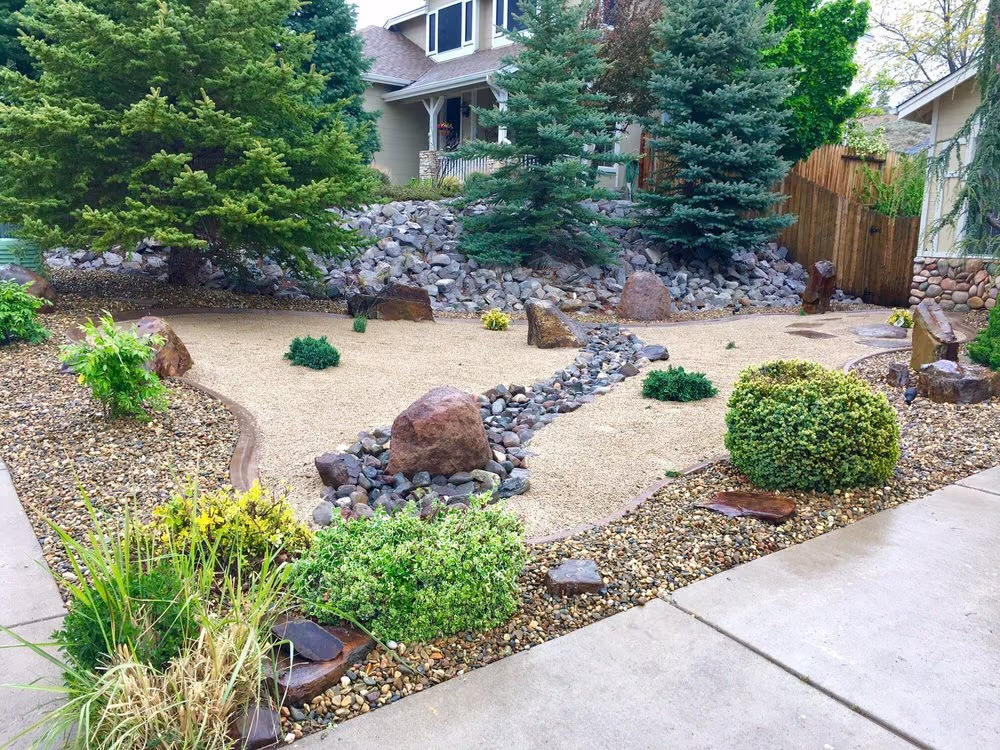
5 Benefits of Water-Efficient Landscaping

In the arid climate of Nevada, water-efficient landscaping is not just a trend—it’s a necessity. With limited water resources and a growing awareness of environmental sustainability, homeowners are increasingly turning to xeriscaping and other water-wise techniques to create beautiful landscapes that thrive with minimal irrigation. Listed below are five great ways to conserve resources with native Nevada plants. Explore the benefits of using native plants and how they are skillfully incorporated into water-efficient landscaping.

At the heart of these practices is the use of native Nevada plants, which are perfectly adapted to the local climate and soil conditions. Clark’s Custom Landscaping services of Reno specializes in integrating these resilient plants into smart landscape designs, helping homeowners conserve water while enjoying lush, vibrant outdoor spaces. Call 775-722-2239 or text us to schedule a site survey, and receive a free landscaping estimate.

5 Benefits of Water-Efficient Landscaping Near Reno Flagstone Walkway

The Benefits of Using Native Nevada Plants

1. Drought Tolerance

One of the most significant advantages of using native Nevada plants is their natural drought tolerance. These plants have evolved over thousands of years to thrive in the region’s hot, dry climate with minimal water. By incorporating native species into your landscape, you can reduce or eliminate the need for supplemental irrigation, making your yard more sustainable and cost-effective.

Native Plants for Water-Efficient Landscaping:

  • Sagebrush (Artemisia tridentata): The state flower of Nevada, sagebrush is highly drought-tolerant and provides year-round interest with its silvery-green foliage and fragrant scent.
  • Desert Marigold (Baileya multiradiata): This cheerful, low-growing perennial produces bright yellow flowers that bloom throughout the summer, even in dry conditions.
  • Mojave Yucca (Yucca schidigera): With its striking, sword-like leaves and tall flower spikes, Mojave yucca is a hardy native plant that adds architectural interest to any landscape.

2. Low Maintenance

Native plants require less maintenance than non-native species because they are perfectly adapted to the local environment. They are more resistant to pests and diseases, reducing the need for chemical treatments, and they require less pruning, fertilizing, and overall care. This low-maintenance aspect is particularly beneficial for homeowners who want a beautiful landscape without the ongoing effort.

Low Maintenance Native Plants:

  • Apache Plume (Fallugia paradoxa): This shrub features delicate white flowers in spring and fluffy, plume-like seed heads in summer. It is highly resistant to pests and thrives with little care.
  • Indian Ricegrass (Achnatherum hymenoides): A native bunchgrass, Indian ricegrass requires minimal water and maintenance, making it an excellent choice for erosion control and ground cover.
  • Desert Willow (Chilopsis linearis): Desert willow is a small, deciduous tree with showy pink or lavender flowers. It is drought-tolerant, pest-resistant, and requires little pruning.

3. Water Conservation

Incorporating native plants into your landscape is a key strategy for water conservation. Because these plants are adapted to Nevada’s natural precipitation patterns, they require far less water than traditional lawns or exotic plant species. By reducing your reliance on irrigation, you can significantly lower your water bills and contribute to the conservation of this precious resource.

Water-Efficient Landscaping Native Plants:

  • Penstemon (Penstemon spp.): Penstemons are a diverse group of native wildflowers that are highly drought-tolerant and attract pollinators. Their vibrant colors and low water needs make them ideal for water-efficient gardens.
  • Globemallow (Sphaeralcea ambigua): This native perennial produces masses of orange or pink flowers and thrives in dry, rocky soils. It is a favorite of hummingbirds and requires minimal watering.
  • Rabbitbrush (Ericameria nauseosa): Rabbitbrush is a hardy shrub that produces bright yellow flowers in late summer and fall. It is extremely drought-tolerant and can thrive in poor soils with little water.

4. Supporting Local Ecosystems

Native plants play a crucial role in supporting local ecosystems by providing food and habitat for native wildlife, including birds, insects, and pollinators. By planting native species, you contribute to the preservation of Nevada’s natural biodiversity and create a thriving, self-sustaining landscape.

Northern Nevada Native Plants:

  • Milkweed (Asclepias spp.): Milkweed is essential for the survival of monarch butterflies, providing both nectar and a host plant for their caterpillars. Native milkweed species are drought-tolerant and well-suited to Nevada’s climate.
  • Serviceberry (Amelanchier alnifolia): This native shrub produces edible berries that attract birds and other wildlife. It is also drought-tolerant and offers beautiful spring blossoms and fall color.
  • Four-Wing Saltbush (Atriplex canescens): This shrub is an important food source for many desert animals and provides cover for small mammals and birds. It thrives in dry, saline soils and requires little water.

5. Enhancing Aesthetic Appeal

Native plants are not only functional but also add unique beauty and character to your landscape. Their diverse forms, colors, and textures can be used to create stunning, naturalistic gardens that reflect the rugged beauty of the Nevada desert. By using native plants, you can design a landscape that is both visually appealing and in harmony with the surrounding environment.

Native Plants for Aesthetic Appeal:

  • Prickly Pear Cactus (Opuntia spp.): Prickly pear cacti are iconic desert plants that produce showy flowers and edible fruit. Their distinctive shape and low water needs make them a striking addition to any landscape.
  • Nevada Bluegrass (Poa secunda): This native grass adds a soft, flowing texture to landscapes and can be used as an alternative to traditional lawns in xeriscapes.
  • Yucca (Yucca spp.): Yuccas are architectural plants with dramatic foliage and tall flower spikes. They require little water and can be used as focal points or accents in the landscape.
5 Benefits of Water-Efficient Landscaping Near Reno Native Plants

Integrating Native Plants into Water-Efficient Designs

At Clark’s Custom Landscaping, we understand the importance of creating landscapes that are both beautiful and sustainable. Our approach to water-efficient landscaping involves carefully selecting and integrating native plants into our designs, ensuring that each landscape is uniquely suited to the local environment and the homeowner’s needs. Here are some of the ways we incorporate native plants into our landscape designs:

Xeriscaping

Xeriscaping is a landscaping method that focuses on water conservation through the use of drought-tolerant plants, efficient irrigation, and smart design principles. At Clark’s Custom Landscaping, we use xeriscaping techniques to create stunning landscapes that require minimal water. By incorporating native Nevada plants, we enhance the drought-resistance of our designs and reduce the need for irrigation.

Large Reno Xeriscaping Project:

In a recent Reno project, we transformed a large traditional front lawn into a stunning xeriscape garden using a variety of native plants, including sagebrush, penstemon, and desert willow. We also installed a drip irrigation system to ensure efficient water use. The result was a vibrant, low-maintenance landscape that conserved water and provided year-round beauty.

Creating Naturalistic Gardens

Naturalistic gardens are designed to mimic the appearance and function of natural landscapes. By using native plants, we create gardens that blend seamlessly with the surrounding environment and require minimal intervention. These gardens provide habitat for wildlife, support local ecosystems, and offer a serene, natural aesthetic.

Spark, NV: Naturalistic Garden Project:

For a Sparks homeowner who wanted a landscape that reflected the beauty of the Nevada desert, we designed a naturalistic garden using native species like Apache plume, rabbitbrush, and prickly pear cactus. The garden featured meandering pathways, boulders, and a small water feature, creating a peaceful retreat that required little maintenance and no additional watering.

Sustainable Lawn Alternatives

Traditional lawns can be water-intensive and high-maintenance, especially in arid climates like Nevada’s. At Clark’s Custom Landscaping, we offer sustainable alternatives to traditional lawns by incorporating native grasses, ground covers, and artificial turf into our designs. These alternatives provide the look of a green lawn without the need for excessive watering or mowing.

Reno Lawn Alternative:

In a project where a Reno homeowner wanted to reduce water use but still maintain a green space for recreation, we replaced the existing lawn with a combination of Nevada bluegrass and artificial turf. The bluegrass provided a natural, low-water lawn area, while the artificial turf offered a maintenance-free play area for the family. The result was functional, attractive, water-efficient landscaping that required minimal upkeep.

Low-Maintenance Plant Groupings

Grouping plants with similar water and sunlight needs is a key strategy in water-efficient landscaping. By using native plants, we create cohesive plant groupings that thrive in the same conditions, reducing the need for watering and care. These groupings also create visually appealing, natural-looking garden beds.

Plant Grouping for Reno Project:

For a Reno homeowner with a sunny, dry yard, we designed a plant grouping that included desert marigold, yucca, and globemallow. These native plants thrived in the same conditions and required minimal watering, creating a vibrant, low-maintenance garden bed that added color and texture to the landscape.

5 Benefits of Water-Efficient Landscaping Near Reno Landscapers Brick Stones

Clark’s Custom Landscaping Services

Water-efficient landscaping is essential for creating sustainable, beautiful outdoor spaces in Nevada’s arid climate. By using native plants, Clark’s Custom Landscaping helps homeowners conserve water, reduce maintenance, and support local ecosystems while enjoying stunning landscapes that reflect the natural beauty of the region. Whether you’re looking to xeriscape your yard, create a naturalistic garden, or explore sustainable lawn alternatives, our team of experts is here to guide you every step of the way.

Ready to transform your yard with water-efficient landscaping? The next time you’re searching for a Reno landscaper, consider contacting Clark’s Custom Landscaping for a free consultation. Let Nick and his team of experienced experts help you create a landscape that conserves resources, enhances your home’s curb appeal, and brings the beauty of native Nevada plants to your outdoor space.

Invest in your home and well-being with the most talented Reno landscaping service in the northern Nevada area, then just sit back and enjoy the enhanced beauty, functionality, and improved value of your property. Experience the benefits of water-efficient landscaping with Clark’s Custom Landscaping—where smart design meets sustainable beauty. Call 775-722-2239 or send us a text to schedule a free site survey of your yard, and receive a custom landscaping project estimate. We look forward to working with you!